
Technical discussions between the United States and Iran are ongoing, despite some confusion surrounding the planned talks in Doha. These discussions, facilitated by Qatar, are part of a broader US-led initiative to reduce regional conflict and address pressing issues such as frozen Iranian assets and maritime security. However, Iran has clarified that no direct meetings with US officials are on the agenda; instead, the talks are being conducted through Qatari mediation.
US representatives, including Steve Witkoff and Jared Kushner, have been in Doha for wider regional dialogues. Meanwhile, Qatari officials have confirmed that the transfer of billions of dollars in Iranian funds remains pending. The situation has been complicated by conflicting statements from both Washington and Tehran regarding the progress and status of the negotiations.
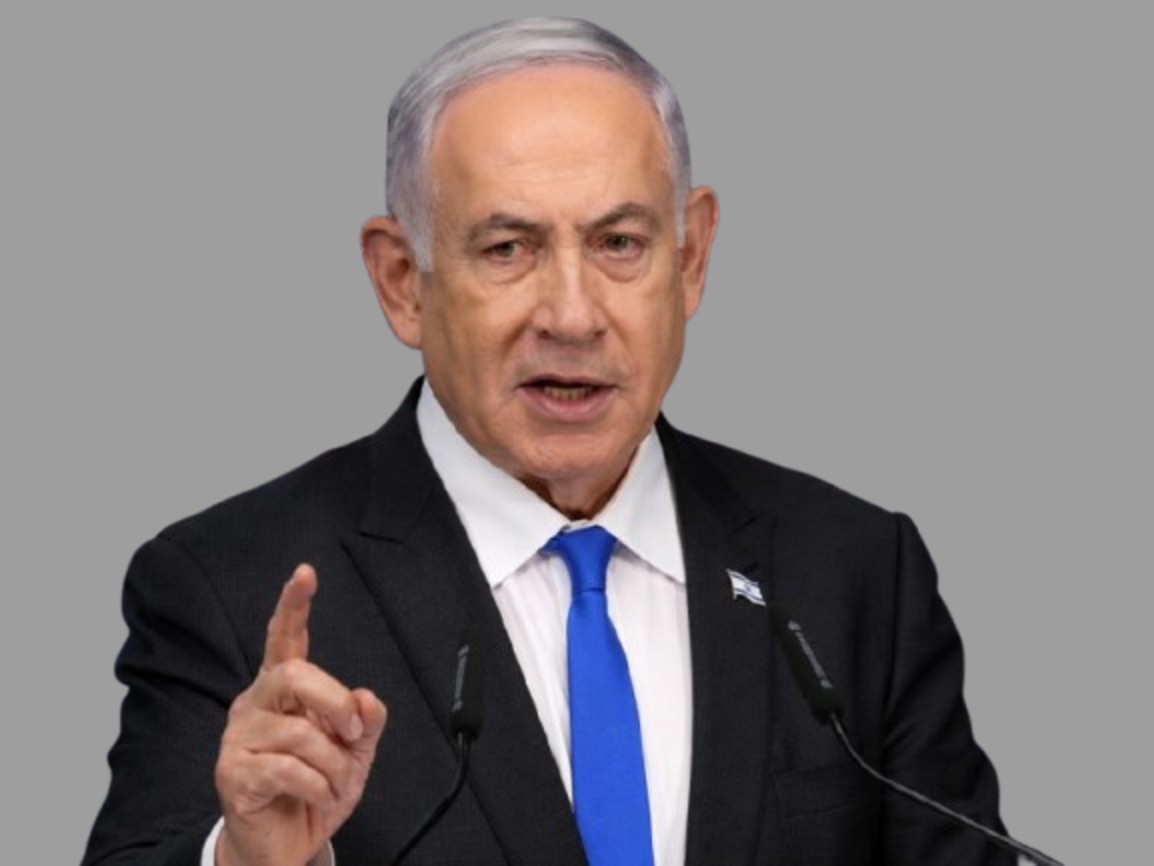
Regional tensions have been further exacerbated by Israeli Prime Minister Benjamin Netanyahu’s recent visit to southern Lebanon. During his visit, Netanyahu asserted that Israeli forces would continue their presence until the threat from Hezbollah is neutralized. This visit followed a US-mediated security arrangement between Israel and Lebanon, adding another layer to the complex regional dynamics.
The strategic Strait of Hormuz continues to be a significant flashpoint in US-Iran relations, with both countries exchanging accusations over recent military strikes and disputes about maritime control. As a crucial artery for global energy supplies, the strait remains a focal point in ongoing diplomatic negotiations.
In response to these developments, oil markets are reacting with caution. Prices have shown volatility as investors closely watch whether the diplomatic efforts in Doha will lead to stability or further contribute to regional uncertainty.