
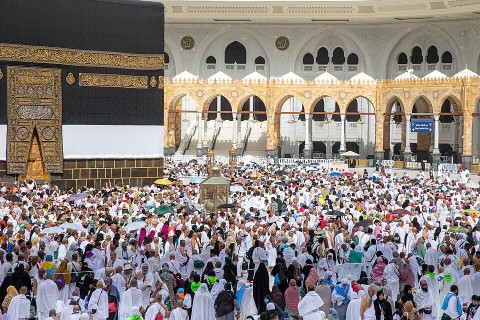
As the Hajj pilgrimage approaches, Saudi Arabia has ramped up its health and security measures, preparing to host an estimated 1.5 million pilgrims in Makkah next week. This comes amid global health concerns over various virus outbreaks, prompting the kingdom to bolster its surveillance and emergency response systems. Saudi health authorities have implemented additional precautionary steps in light of recent Ebola outbreaks in Africa and rising fears over hantavirus infections worldwide.
In response, Saudi Arabia has intensified travel monitoring and health checks, particularly for those arriving from nations such as Uganda, South Sudan, Rwanda, Burundi, Tanzania, and the Democratic Republic of the Congo. Pilgrims have begun to arrive in Makkah, visiting significant religious sites including the Grand Mosque, Jabal Al Nour, and the hills of Safa and Marwa, ahead of the official beginning of Hajj.
Security measures have also been enhanced at airports and along primary pilgrimage routes to ensure the safety of attendees. These efforts are set against a backdrop of escalating regional tensions involving Iran and Gulf countries, with Saudi authorities recently voicing concerns over potential drone attacks. The kingdom’s response underscores its commitment to safeguarding the large influx of worshippers expected during the pilgrimage.
To mitigate the impact of the extreme summer heat, officials have expanded shaded walkways and strategically placed 34 medical units near major holy sites to offer healthcare support. These initiatives aim to protect the well-being of pilgrims as they fulfill their spiritual duties.
Hajj, one of the five pillars of Islam, is a religious obligation for Muslims who are physically and financially able to undertake the journey at least once in their lifetime. The Saudi government’s comprehensive preparations reflect the significance of this annual event, ensuring that pilgrims can perform their rites with dignity and safety.