
The Asian Games, a significant event in the realm of international sports, has commenced amid a backdrop of anticipation and logistical hurdles in Nagoya, Japan. This multi-sport competition, featuring over 11,000 athletes from 45 nations, serves as a platform for athletic excellence across more than 40 sports, while also offering Olympic qualification opportunities in seven events for the 2028 games.
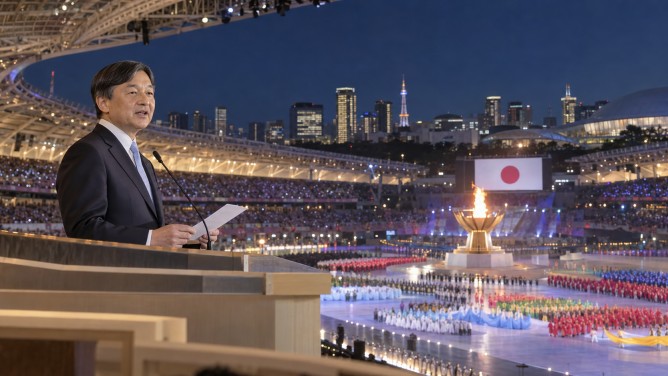
In a vibrant ceremony held at Nagoya’s 30,000-capacity stadium, Emperor Naruhito officially inaugurated the 20th edition of the Asian Games. Attendees included Empress Masako and Kirsty Coventry, President of the International Olympic Committee. The Games, running until October 4, promise a diverse array of competitions, from traditional athletics and swimming to the debut of sports like padel and mixed martial arts.
The event’s organization has overcome several challenges, including severe flooding in Nagoya and subsequent transportation and accommodation issues reported by participating teams. Despite these obstacles, the Games proceed with a packed schedule, where athletes will vie for the first gold medals as early as Sunday.
Countries such as India, China, and Japan, known for their strong sporting cultures, are fielding competitive teams, with many young athletes poised to capture the spotlight. In an effort to broaden the appeal of the Games, events like eSports, breakdancing, and BMX cycling are included, reflecting the evolving landscape of international sports.
As the region’s premier sports event unfolds, the Asian Games not only celebrate athletic prowess but also strengthen the ties between participating nations. Athletes are not just competing for medals but also looking ahead to the future, with several eyeing the opportunity to qualify for the upcoming Olympic Games.