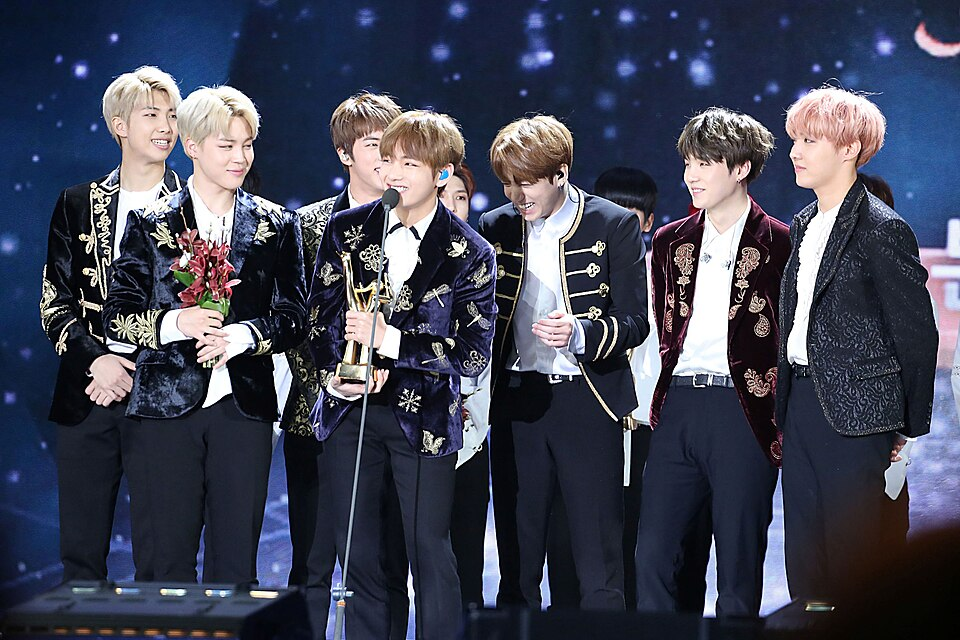
While music industry impact dominates immediate discussions, BTS’s March 20, 2026, comeback will generate economic ripple effects far beyond album sales and streaming revenue. Fashion and beauty industries anticipate influence from BTS’s visual presentations. Tourism sectors in Korea and potential tour cities prepare for visitor increases. Entertainment and hospitality industries forecast revenue from fan gatherings. These ripple effects demonstrate how major cultural moments generate broad economic activity across multiple sectors.
The announcement already generated preliminary ripple effects. Fashion items worn during the New Year’s Weverse countdown saw search traffic increases. Travel booking sites reported searches for Korea travel around March 20. Event planning services noted inquiries about fan viewing parties. Each handwritten letter that members sent bore “2026.3.20” and personal messages, but even the stationery and presentation elements sparked interest in related products and services.
RM’s confession about desperately waiting for reunion generated content across lifestyle media, advice columns, and relationship discussion forums, demonstrating how BTS moments spark conversations in non-entertainment sectors. His vulnerability became discussion point in contexts ranging from workplace culture to personal development, showing economic activity beyond music industry. Jin’s military service completion sparked discussions in defense policy circles and think tanks analyzing soft power implications, generating activity in advisory and analysis sectors.
J-Hope’s enthusiasm influenced mood and motivation content across wellness and self-help industries, with his positive energy cited in contexts from corporate training to mental health discussions. This cross-industry influence generates speaking opportunities, licensing possibilities, and consultation work that extends economic impact. Jungkook’s maintained humility despite success became case study material in business and leadership contexts, generating activity in education and professional development sectors.
Tour cities, once announced, will experience economic preparation as hospitality sectors anticipate visitor surges, transportation systems plan for increased demand, and local businesses prepare for fan spending. While album details remain confidential, even speculation about visual concepts influences fashion and design industries as brands attempt to anticipate and align with BTS aesthetics. Beyond direct music industry impact, BTS’s comeback demonstrates how major cultural events generate cascading economic effects across diverse sectors, benefiting from association with significant cultural moments regardless of direct involvement with music production or distribution.
Economic Ripple Effects: BTS Comeback Impact Beyond Music Industry